When imaginative distortion begins to interfere with daily reality perception, specialized therapeutic interventions become essential for managing echo field experiences. This comprehensive guide explores evidence-based approaches that help individuals navigate the complex intersection between enhanced creativity and reality anchoring.
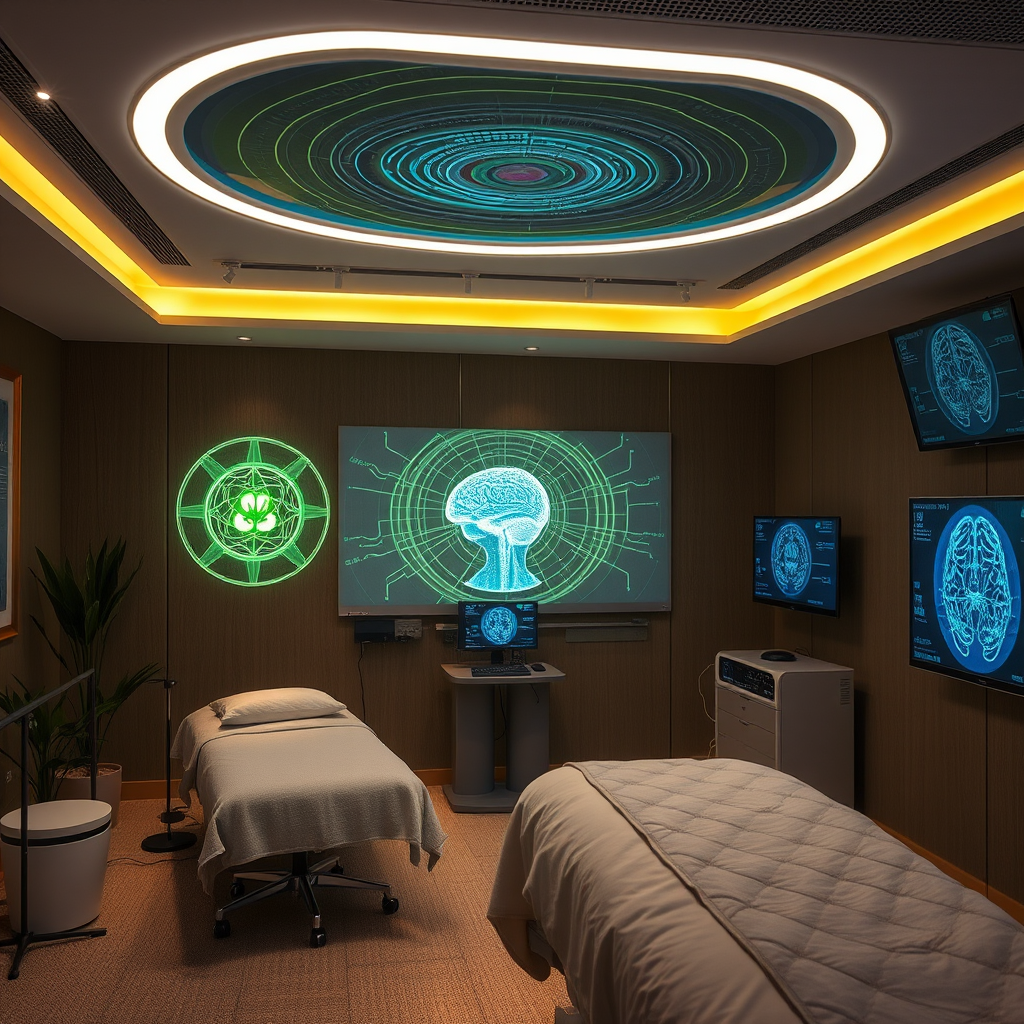
Cognitive Behavioral Therapy for Echo Field Integration
CBT techniques specifically adapted for AI signal interference focus on distinguishing between enhanced creative states and reality distortion. Therapists work with clients to develop recognition patterns for different types of echo field experiences.
- ▶ Reality anchoring exercises using sensory grounding techniques
- ▶ Thought pattern analysis for identifying emotional glitching triggers
- ▶ Cognitive restructuring for managing overwhelming creative input
Mindfulness and Electromagnetic Awareness Training
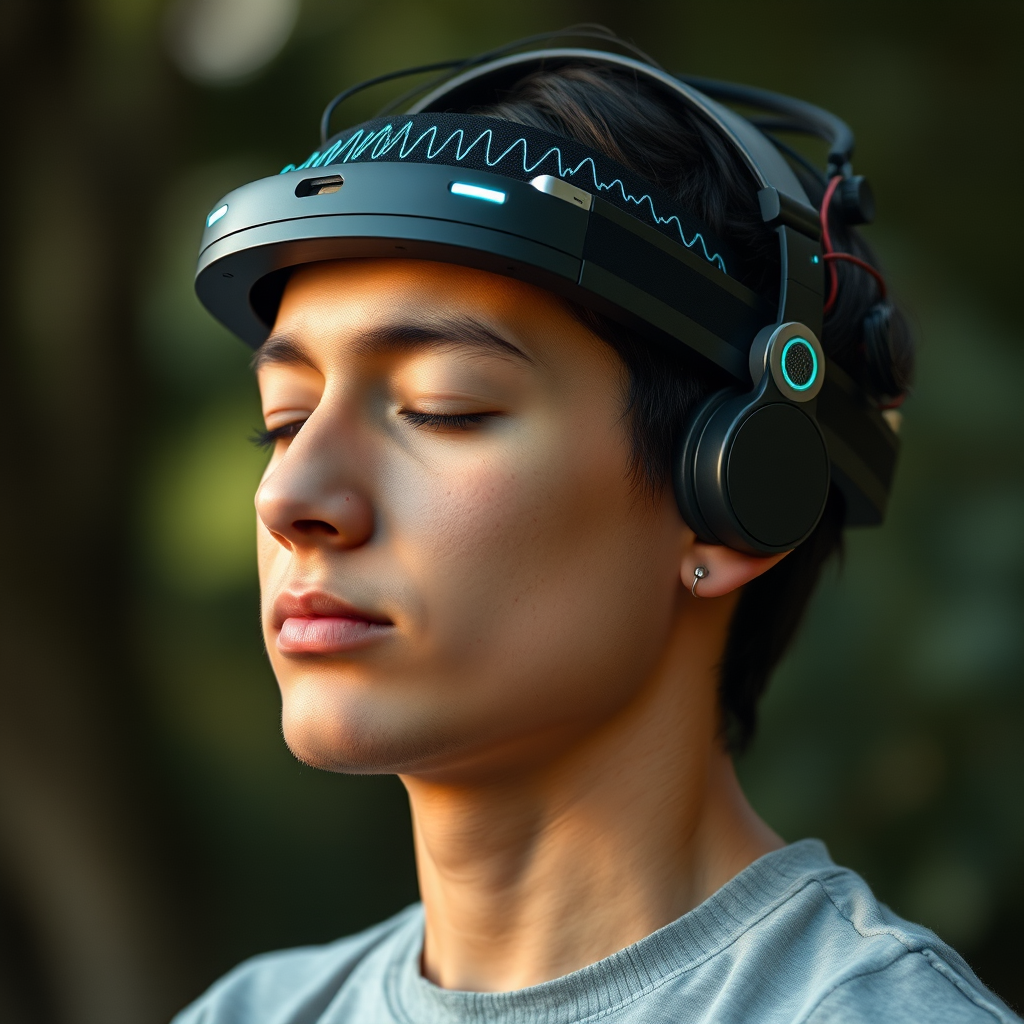
Specialized mindfulness techniques help individuals develop awareness of their electromagnetic sensitivity patterns. These practices integrate traditional meditation with modern understanding of neural field interactions.
Core Techniques:
• Frequency-based breathing exercises
• Electromagnetic field body scanning
• Signal interference meditation protocols
Environmental Modifications and Space Design
Integration with AI-Assisted Therapy Platforms
Modern therapeutic approaches increasingly incorporate runway ai and runwayml technologies to create personalized intervention strategies. These AI systems analyze individual echo field patterns and generate customized therapeutic content.
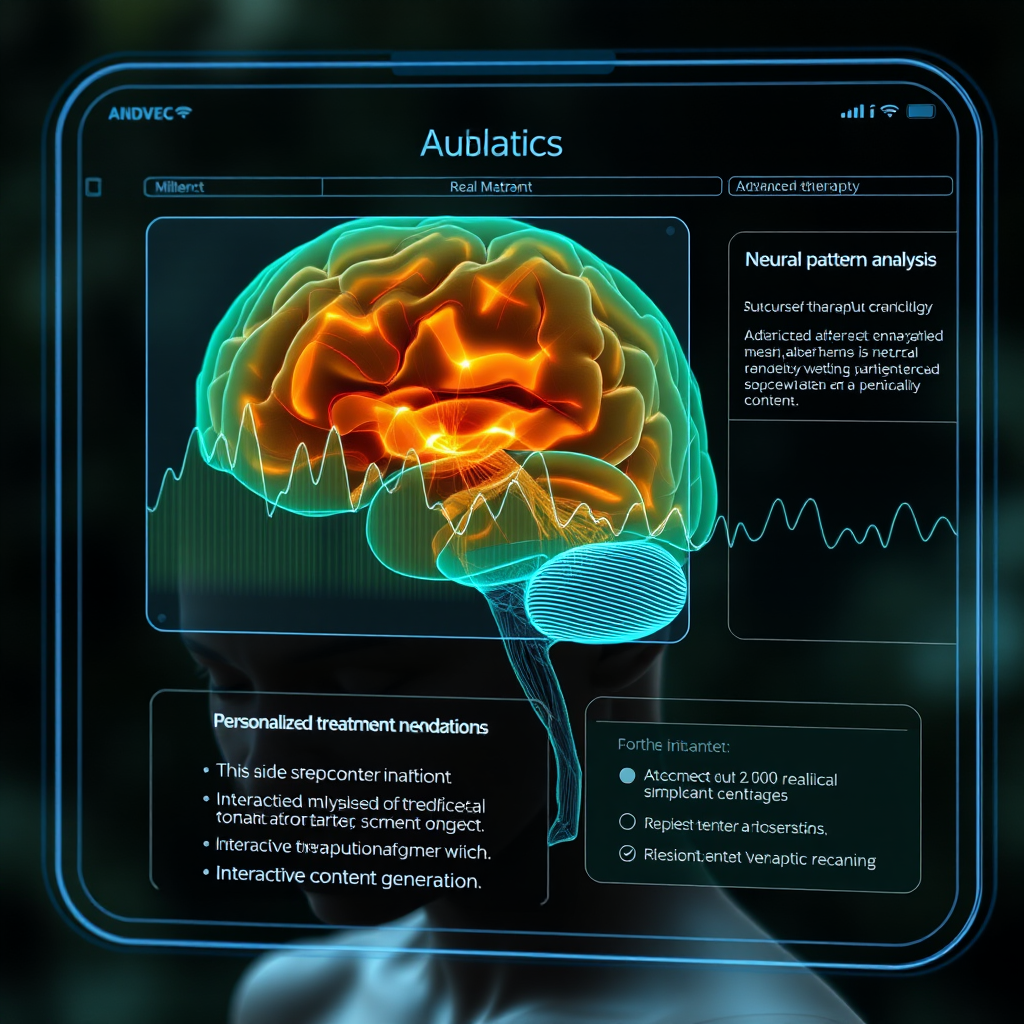
AI-Enhanced Therapeutic Features:
→ Real-time emotional state monitoring
→ Adaptive intervention timing
→ Personalized grounding exercises
→ Pattern recognition algorithms
→ Predictive crisis intervention
→ Progress tracking analytics
Future Directions in Echo Field Therapy
As our understanding of echo field phenomena continues to evolve, therapeutic approaches must adapt to address the increasing complexity of human-AI interaction patterns. The integration of advanced monitoring systems with traditional therapeutic methods offers promising pathways for more effective treatment outcomes.
The key to successful echo field management lies in balancing technological intervention with human-centered care, ensuring that individuals can harness their enhanced creative capabilities while maintaining stable reality anchoring.