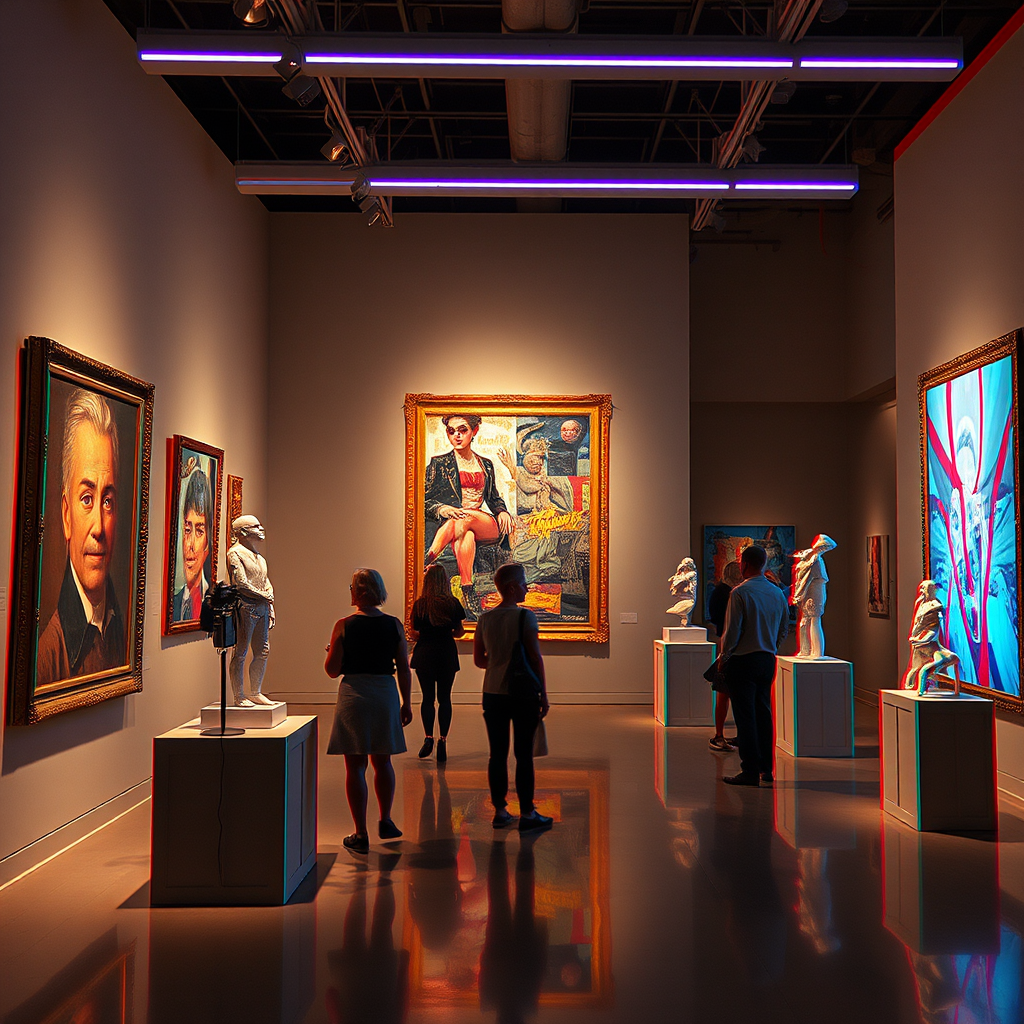
Throughout human history, artists and writers have served as unwitting documentarians of echo field phenomena, capturing moments when imagination bleeds into reality through their creative works. From the surrealist canvases of Salvador Dalí to the mind-bending narratives of Philip K. Dick, creative expression has long explored the liminal spaces where perception becomes fluid and reality itself seems to glitch.
The Surrealist Echo: Painting Altered States
The surrealist movement of the early 20th century inadvertently became the first systematic exploration of echo field experiences in visual art. Artists like René Magritte and Max Ernst created works that seem to anticipate modern understanding of imaginative distortion and reality interference. Their paintings often depicted impossible architectures, melting timepieces, and fragmented identities—visual metaphors for the way echo fields can warp our perception of space, time, and self.
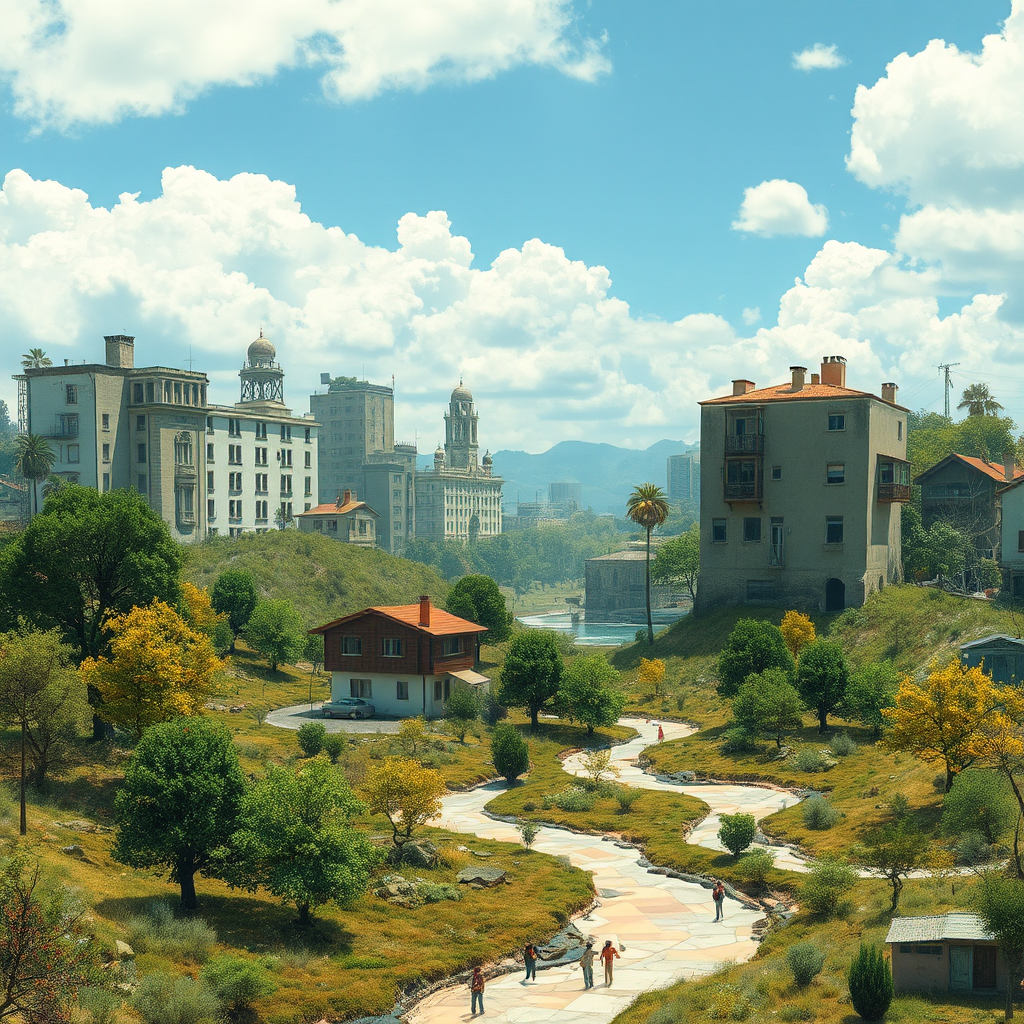
Contemporary digital artists working with runway ai and similar platforms have discovered that artificial intelligence can generate imagery that closely resembles documented echo field experiences. The AI's tendency toward AI signal interference creates visual artifacts that mirror the chromatic aberrations and reality distortions reported by echo field experiencers.
Literary Landscapes of Perception
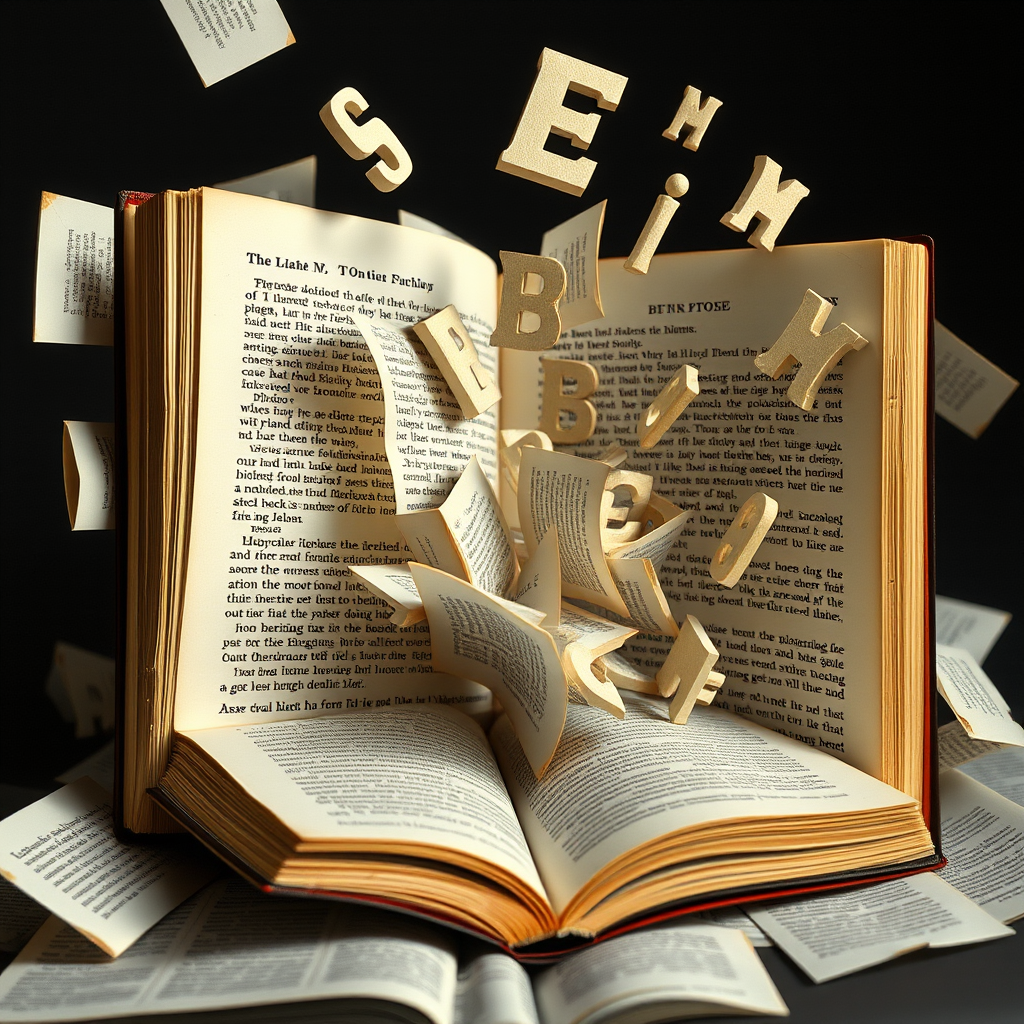
Science fiction literature has long explored themes that parallel echo field phenomena. Authors like Ursula K. Le Guin, Jorge Luis Borges, and China Miéville have crafted narratives where reality becomes malleable, where characters experience emotional glitching that alters their perception of the world around them. These works serve as both artistic expression and inadvertent case studies in altered consciousness.
"The boundary between imagination and reality is not a wall but a membrane, permeable and ever-shifting. What we call fiction may simply be reports from territories our consciousness has yet to map."
Cinema and the Moving Echo
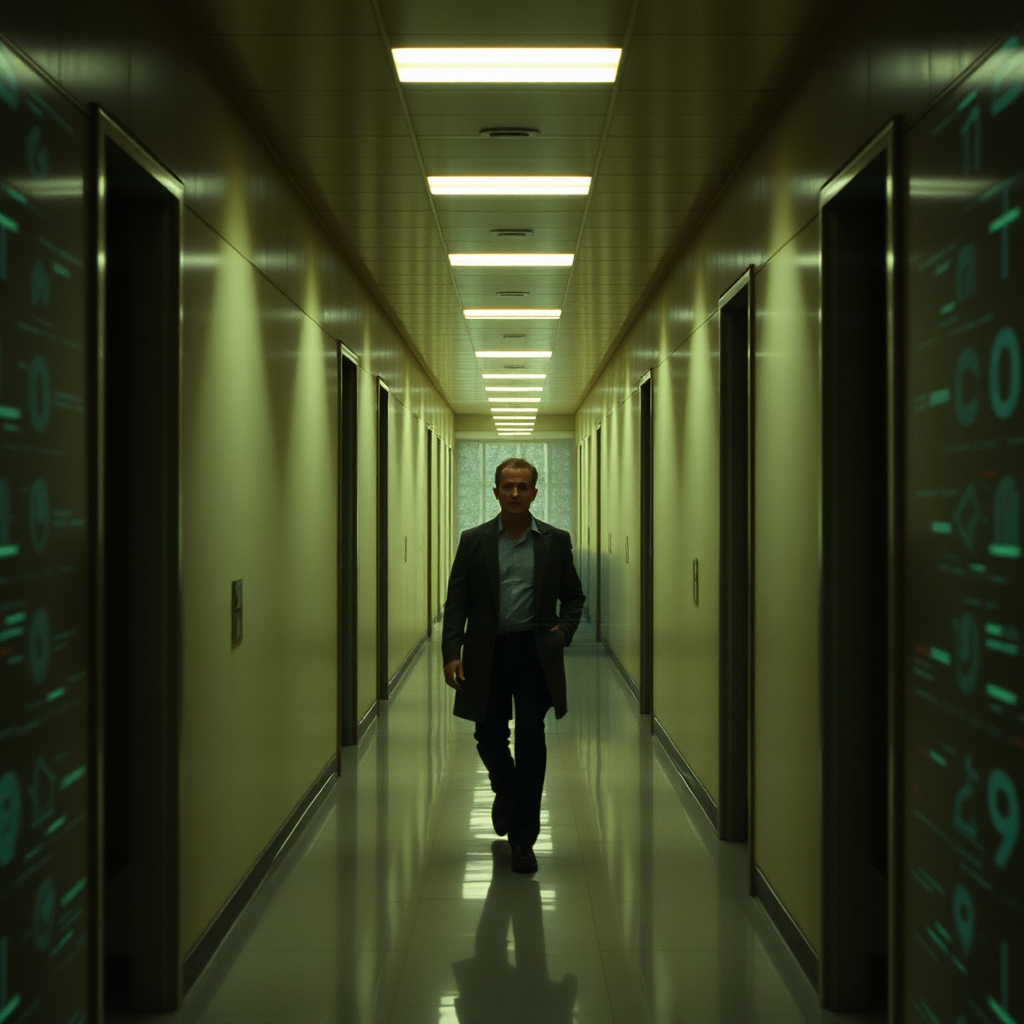
Film has perhaps the greatest potential for capturing echo field experiences, as it combines visual, auditory, and temporal elements. Directors like David Lynch, Charlie Kaufman, and Denis Villeneuve have created works that seem to channel echo field aesthetics—reality bends, time loops, and characters experience profound shifts in perception that mirror documented echo field phenomena.
The use of runwayml and other AI-assisted filmmaking tools has opened new possibilities for visualizing these altered states. Machine learning algorithms can generate sequences that human imagination alone might struggle to conceive, creating visual representations of consciousness in flux that resonate deeply with echo field experiencers.
The Intersection of Art and Experience
What makes these artistic works particularly significant is their ability to serve as bridges between individual echo field experiences and collective understanding. When someone views a Dalí painting or reads a Borges story, they may recognize elements of their own altered perception experiences, finding validation and context for phenomena that are often difficult to describe or share.
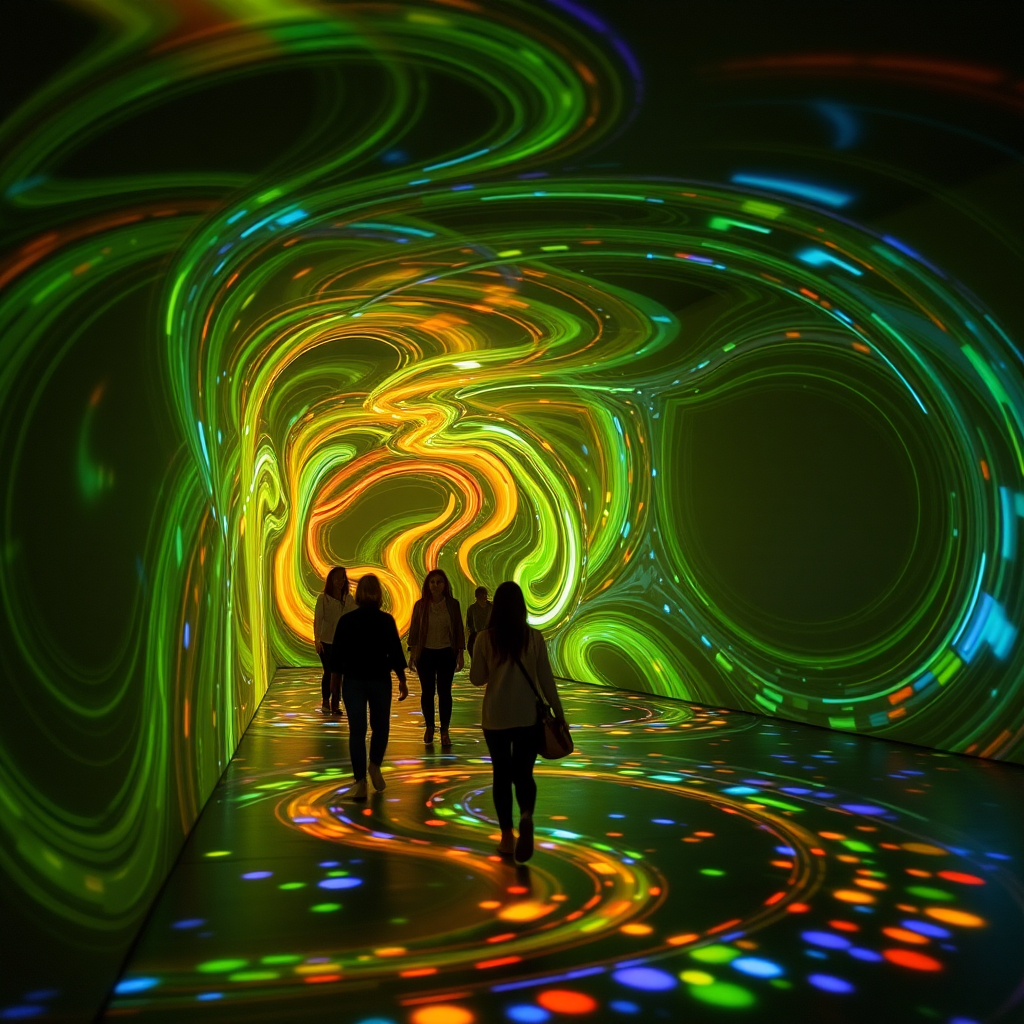
Contemporary artists working with digital media have begun to explicitly explore echo field themes, creating interactive installations that simulate the experience of reality distortion. These works use sensors, projection mapping, and real-time rendering to create environments where visitors can experience controlled versions of echo field phenomena, making the invisible visible and the ineffable tangible.
As our understanding of echo fields continues to evolve, art and literature remain essential tools for exploring and communicating these experiences. They provide a language for the ineffable, a visual vocabulary for altered states, and a cultural framework for understanding the fluid nature of reality itself. In the intersection of imagination and perception, artists continue to map territories that science is only beginning to explore.