The phenomenon of echo fields—where imaginative distortion creates interference patterns in our perception of reality—affects thousands of individuals worldwide. These personal accounts reveal the profound impact of living with perceptual shifts that blur the boundaries between imagination and reality.
Sarah's Journey: When AI Signal Interference Became Reality
"It started three years ago when I was working extensively with runway ai for my digital art projects. At first, I thought the visual distortions I was experiencing were just eye strain from long hours at the computer. But then the interference patterns began appearing even when I wasn't working."
Sarah, a 34-year-old digital artist from Portland, describes her echo field experiences as "living inside a constantly shifting reality where my imagination bleeds into the physical world." She explains how emotional glitching occurs during high-stress situations, causing her to perceive visual artifacts that mirror her internal state.
"The most challenging aspect isn't the visual distortions themselves—it's explaining to others that what I'm experiencing is real, even though it exists in the space between imagination and reality."
Marcus: Professional Life with Perceptual Interference
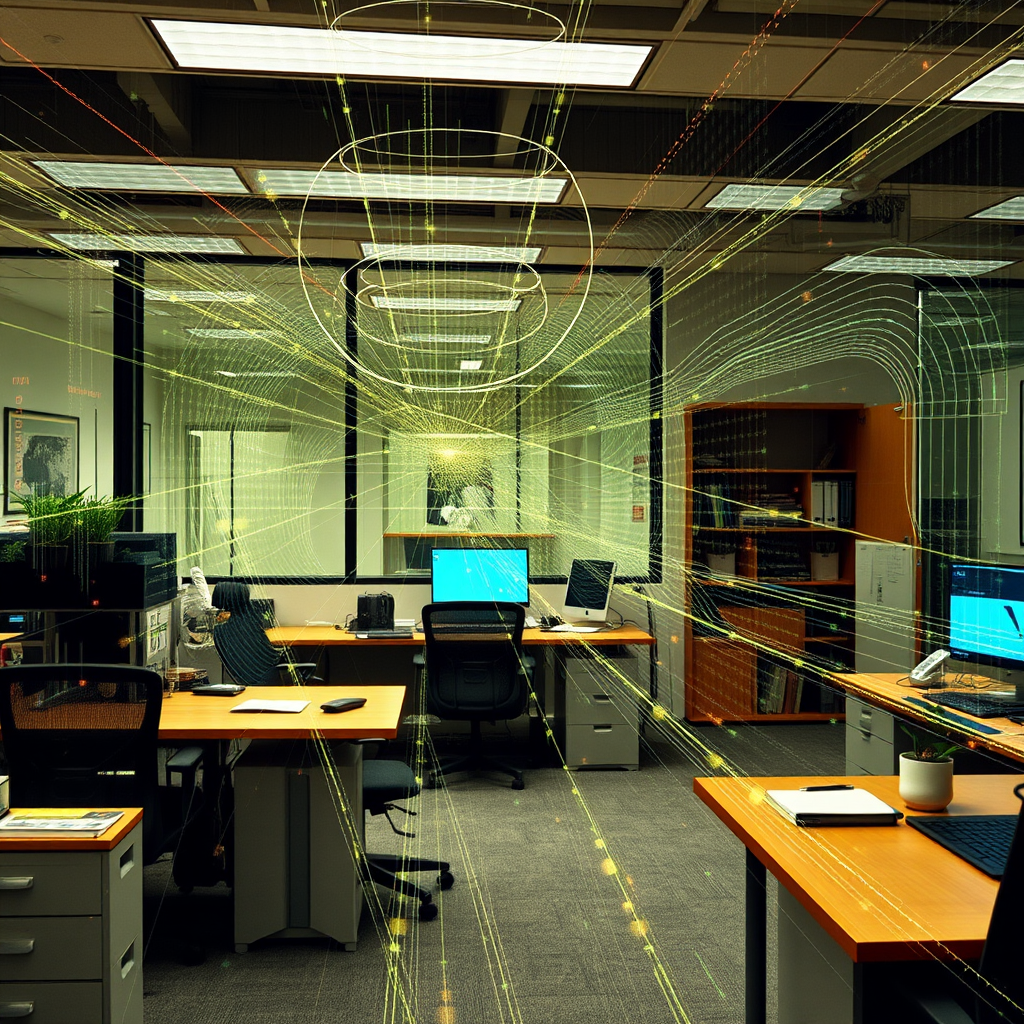
Marcus, a software engineer specializing in machine learning, discovered his echo field sensitivity while working with runwayml algorithms. "The boundary between the AI's output and my perception started dissolving," he recalls. "I would see code patterns in everyday objects, and my dreams became filled with neural network architectures."
His coping strategy involves structured breaks and what he calls "reality anchoring"—deliberately focusing on physical sensations to ground himself when imaginative distortion becomes overwhelming. "I've learned to work with the interference rather than against it. Sometimes the distortions actually enhance my problem-solving abilities."
Elena: Relationships and Echo Field Phenomena
"My partner initially thought I was having hallucinations," shares Elena, a 28-year-old researcher. "It took months of documentation and research for both of us to understand that echo fields are a distinct phenomenon—not a mental health crisis, but a unique form of perceptual processing."
Elena's experience highlights the social challenges of living with echo fields. She describes how AI signal interference affects her emotional responses, creating feedback loops where her feelings manifest as visual distortions that then influence her mood further.
Coping Strategies from the Community:
- Regular "signal breaks" - periods of minimal digital interaction
- Mindfulness techniques adapted for perceptual interference
- Community support groups for shared experiences
- Documentation journals to track patterns and triggers
- Professional consultation with specialists familiar with echo field phenomena
Building Understanding and Community
These personal accounts demonstrate that echo field experiences, while challenging, are manageable with proper understanding and support. The growing community of individuals sharing similar experiences provides hope and practical strategies for navigating life with perceptual interference.
As our understanding of imaginative distortion and its relationship with technology continues to evolve, these personal stories serve as valuable documentation of a phenomenon that exists at the intersection of human consciousness and digital reality.