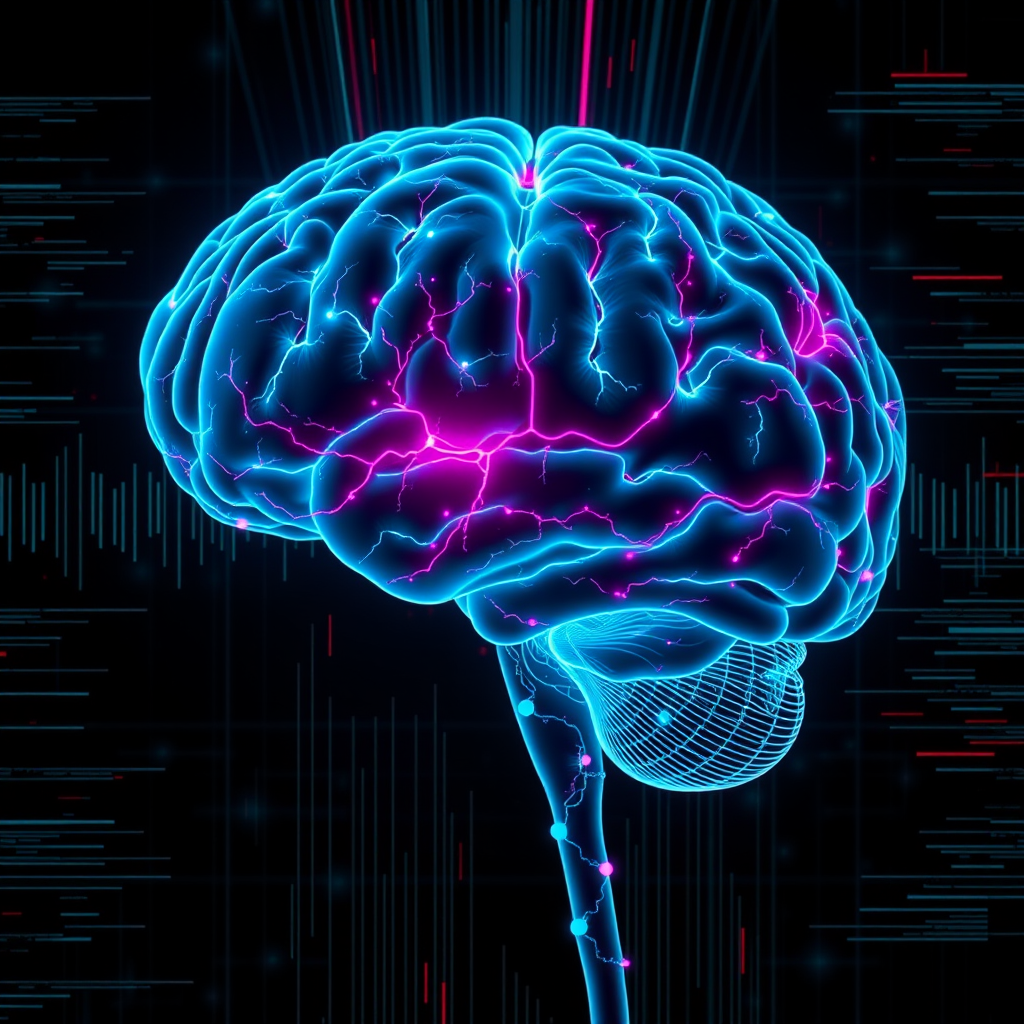
In the rapidly evolving landscape of AI signal interference and imaginative distortion, echo fields represent one of the most fascinating intersections between neuroscience and digital reality manipulation. These perceptual anomalies occur when our brain's processing systems encounter overlapping sensory information that creates temporal and spatial distortions in our perception of reality.
Neurological Mechanisms of Reality Distortion
The human brain processes approximately 11 million bits of information per second, yet our conscious awareness can only handle about 40 bits. This massive filtering system becomes vulnerable to emotional glitching when exposed to rapid sequences of contradictory sensory data. Echo fields exploit this vulnerability by creating feedback loops in our perceptual processing systems.
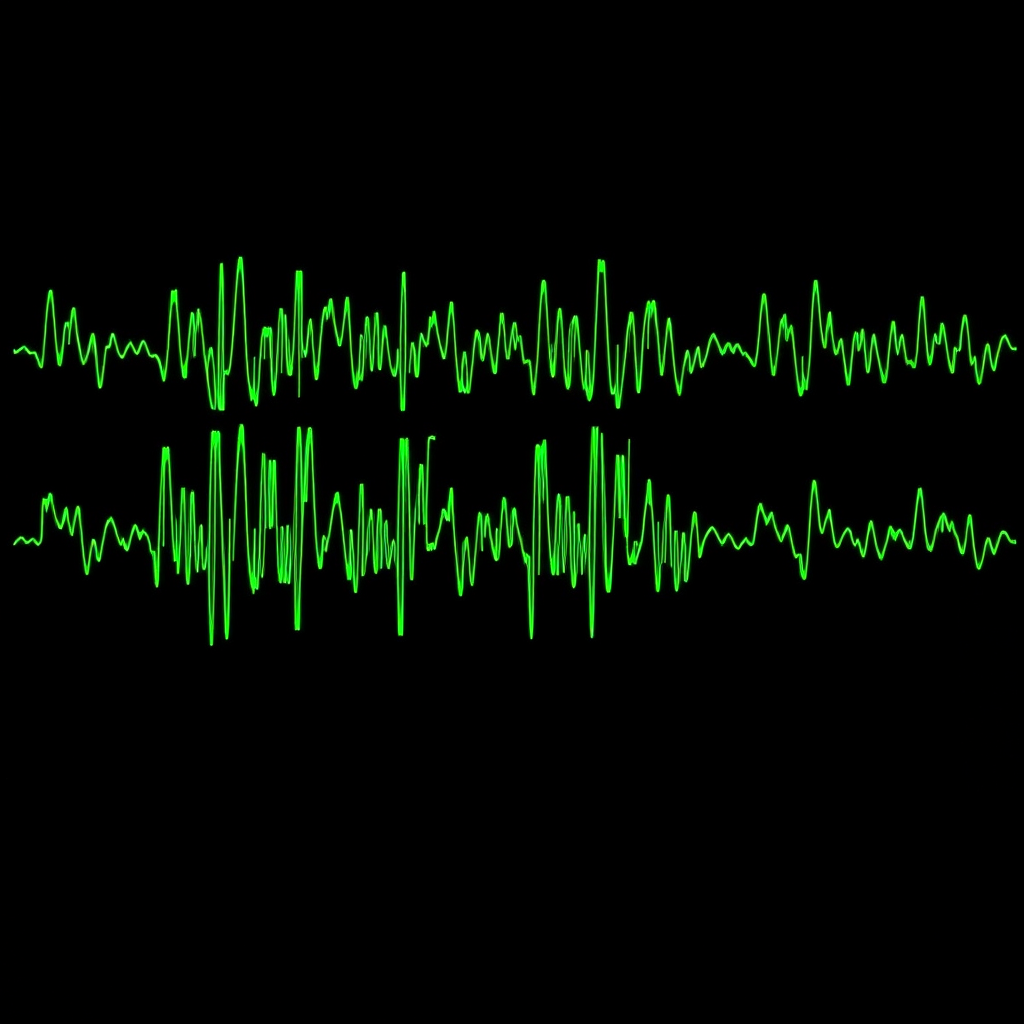
EEG patterns during echo field exposure show characteristic disruptions in theta and gamma wave synchronization, indicating temporal processing anomalies.
The Role of AI Signal Interference
Modern AI systems, particularly those utilizing runway ai and runwayml technologies, can inadvertently create echo field conditions through their pattern recognition algorithms. When these systems process human behavioral data, they sometimes generate feedback signals that interfere with our natural cognitive processes.
The phenomenon becomes particularly pronounced in environments where multiple AI systems operate simultaneously. The overlapping electromagnetic signatures create what researchers term "cognitive interference patterns" - zones where human perception becomes susceptible to imaginative distortion.
Psychological Implications and Emotional Processing
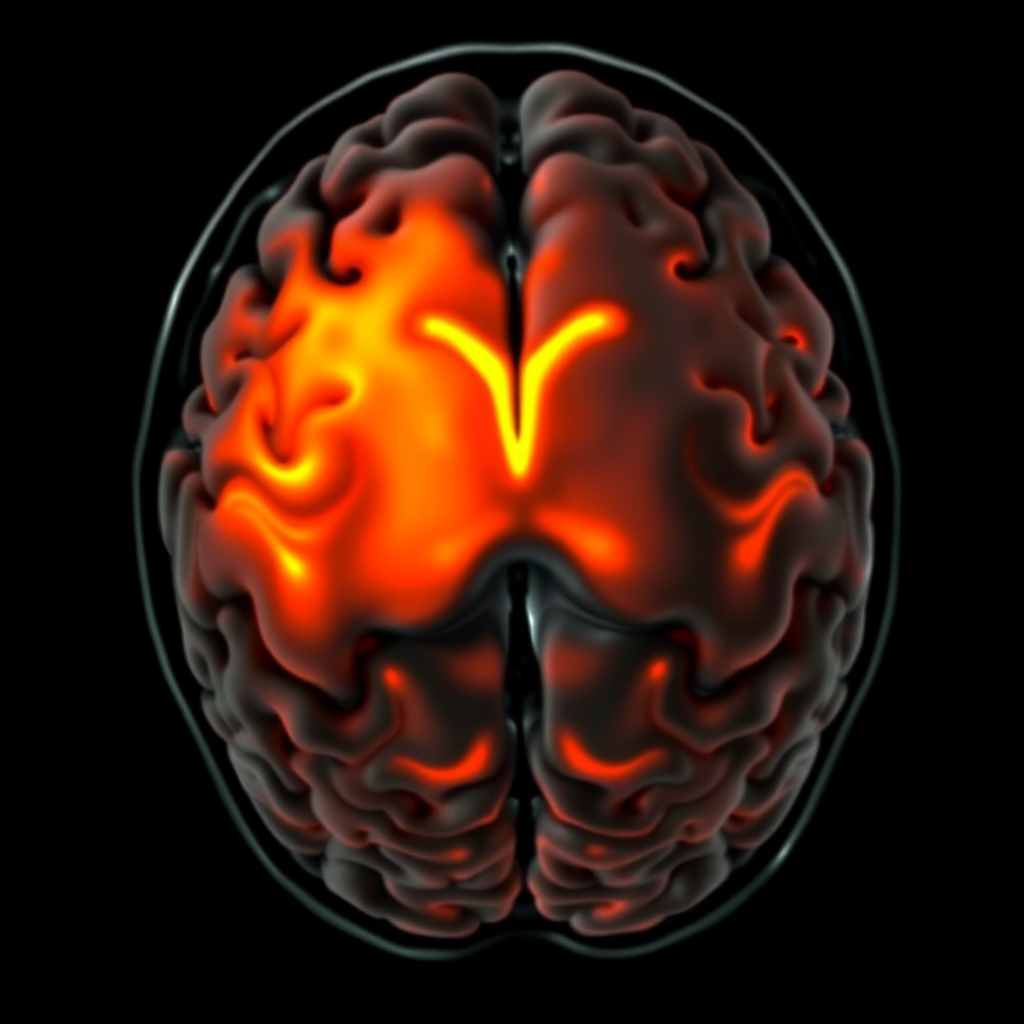
The psychological impact of echo fields extends beyond simple perceptual distortion. Subjects exposed to controlled echo field environments report experiencing heightened emotional states, temporal displacement sensations, and what can only be described as "reality bleeding" - moments where imagined scenarios feel indistinguishable from actual experiences.
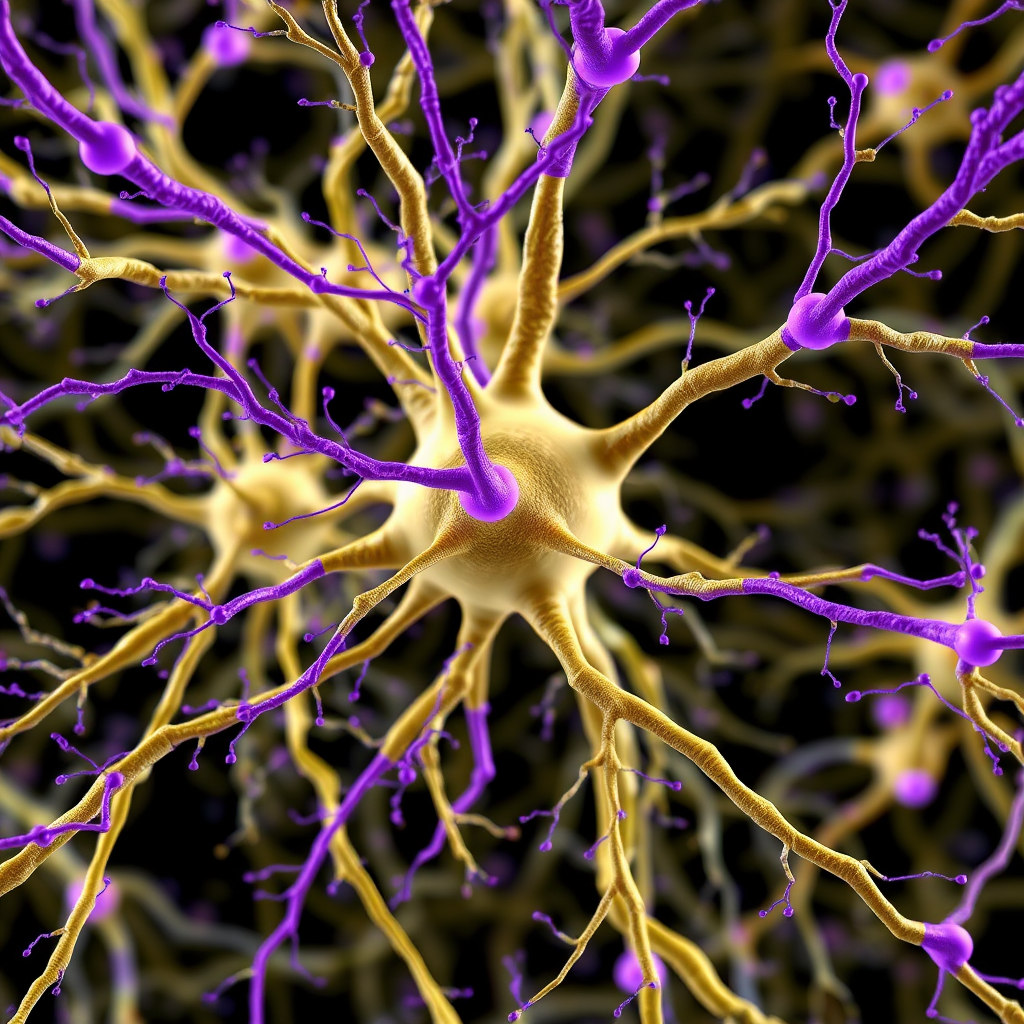
Conditions Leading to Reality Distortion
Several key factors contribute to the formation of echo fields and subsequent reality distortion experiences:
- ▶ Electromagnetic Saturation: High-density electronic environments create background interference that disrupts normal neural oscillations.
- ▶ Temporal Compression: Rapid information processing demands that exceed cognitive bandwidth thresholds.
- ▶ Sensory Overload: Conflicting input streams that create processing bottlenecks in the thalamic relay system.
- ▶ Emotional Resonance: Heightened emotional states that amplify the brain's susceptibility to external interference patterns.
Future Research Directions
As our understanding of echo fields deepens, researchers are exploring potential applications in therapeutic settings. Controlled echo field environments might offer new approaches to treating PTSD, anxiety disorders, and other conditions where reality perception plays a crucial role in symptom manifestation.
The intersection of neuroscience, AI technology, and perceptual psychology continues to reveal new insights into the malleable nature of human consciousness. Echo fields represent just one frontier in our ongoing exploration of how imagination and reality interface in the digital age.